

 English
 Español

When a cutting chain stalls in a wet stump or a guide bar starts to pull sideways in a dry hardwood cut, the first reaction is usually to blame the sharpness of the chain. But a chainsaw is a set of components that work within tight tolerances. The engine, clutch, bar, chain, sprocket nose, and tensioning system each contribute to what you feel at the handle. Understanding chainsaw anatomy helps you diagnose the real cause of poor cutting, choose the right replacement parts, and avoid safety incidents that come from mismatched or worn components.
Content
- 1 The Basic Building Blocks of a Chainsaw
- 2 The Cutting Chain: Cutter, Drive Link, and Tie Strap
- 3 Pitch and Gauge: The Two Numbers That Must Match
- 4 The Guide Bar: Rail, Nose, and Lubrication
- 5 Chain Tension: The Most Overlooked Part of Anatomy
- 6 The Sprocket Nose and Chain Drive
- 7 Safety Features: Chain Brake, Trigger Lock, and Bumpers
- 8 Maintenance Checks Based on Chainsaw Anatomy
- 9 Selecting the Right Chain, Bar, and Sprocket for Your Saw
- 10 Final Thought
The Basic Building Blocks of a Chainsaw
Every chainsaw, whether petrol or battery, shares the same core structure: a powerhead, a drive mechanism, a guide bar, a cutting chain, a tensioning mechanism, and a set of safety features. The engine or motor turns the clutch and drive sprocket. The drive sprocket engages the chain drive links and pulls the chain around the guide bar. The bar supports and guides the chain during the cut, while the chain itself carries the cutters that remove wood.
The tensioning mechanism keeps the chain tight against the bar. This is a separate component from the chain brake, which stops the chain in a kickback event. The chain brake, throttle trigger lock, and front hand guard are the primary safety features that impact the operator in a dangerous situation.
Understanding these components matters for maintenance and purchasing decisions. When one part is worn or mismatched, the load transfers to other parts. A bar with a damaged rail will cause the chain to run crooked, and that crooked chain will wear the sprocket nose prematurely.
The Cutting Chain: Cutter, Drive Link, and Tie Strap
The cutting chain is usually the first part people inspect, but it has several distinct members. The cutter is the tooth that actually removes wood. It can be a full-chisel or semi-chisel shape. Full-chisel cutters are sharp and fast in clean wood, but they dull quickly in dirty or frozen conditions. Semi-chisel cutters maintain an edge longer and are the safer choice for less experienced operators or rough work.
The drive link sits under the bar rail and carries the chain along the bar. The tie strap connects the cutter and the drive link into a continuous loop. Rivets hold these parts together and determine the chain pitch. A worn drive link or a bent tie strap can cause the chain to ride high on the bar, which makes the cut wobble and increases friction.
Chain sequence also matters in chainsaw anatomy. Cutters are spaced in alternating left and right positions so the chain pulls itself straight through the wood. If the sequence is wrong, the chain will try to wander in one direction and the bar will wear unevenly.
Pitch and Gauge: The Two Numbers That Must Match
Pitch and gauge are the two most important specifications when replacing a chain. Pitch is the distance between three consecutive rivets divided by two, and it determines how far the drive links are spaced. Gauge is the thickness of the drive link, and it must match the groove width of the guide bar.
A slight mismatch between chain gauge and bar groove is a common source of premature wear. If the drive link is too thick, it will bind in the rail. If it is too thin, it will tilt and cut crooked. Pitch also has to match the drive sprocket. Using a chain that is one pitch off will cause the chain to slip on the sprocket, damaging both parts.
| Chain Pitch | Typical Application |
|---|---|
| 3/8" LP | Small to midsize chainsaws |
| .325" | Mid-size chainsaws |
| 3/8" | Larger chainsaws |
| .404" | High-output harvester and felling saws |
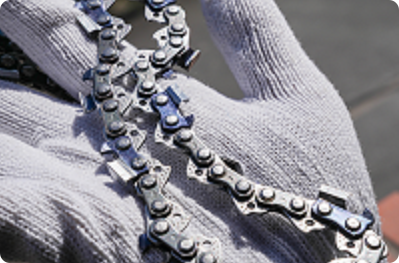 3/8" LP Pitch Chainsaw Chain SupplierHangzhou Shenling Technology Co., Ltd., a 3/8" LP Pitch Chainsaw Chain Supplier and 3/8" LP Pitch Chainsaw Chain wholesaler in China, with a 24-year history, stands ou...View Product →
For many professional users working with 3/8" LP chains, the key is not just the pitch but the quality of the drive link steel and the consistency of the rivet spacing. Manufacturing tolerances here determine how smoothly the chain tracks on the bar.
The Guide Bar: Rail, Nose, and Lubrication
The guide bar is the foundation of chain alignment. A bar is made up of the rails, the groove, the rivet holes, and the nose. The groove width corresponds to the chain gauge. The rails carry the drive links, and the rivet holes mount the bar to the saw body. The nose is the front part of the bar, and it can be a hardnose, a laminated bar, or a replaceable sprocket nose. Guide bar design directly impacts the overall safety and efficiency of a chainsaw, so it is worth examining more closely before you decide on a replacement.
Bar rails wear from constant chain contact. A bar that is worn on one side will produce a cut that angles away from the intended line. Checking the rail edges with a straightedge and measuring the rail width with a caliper should be a routine part of chainsaw maintenance.
Lubrication is part of the bar anatomy as well. The bar oil hole feeds oil into a channel in the rail, and the nose sprocket needs oil to keep turning freely. A blocked oil hole or a dry nose sprocket is one of the simplest causes of a burning chain and a shortened bar life.
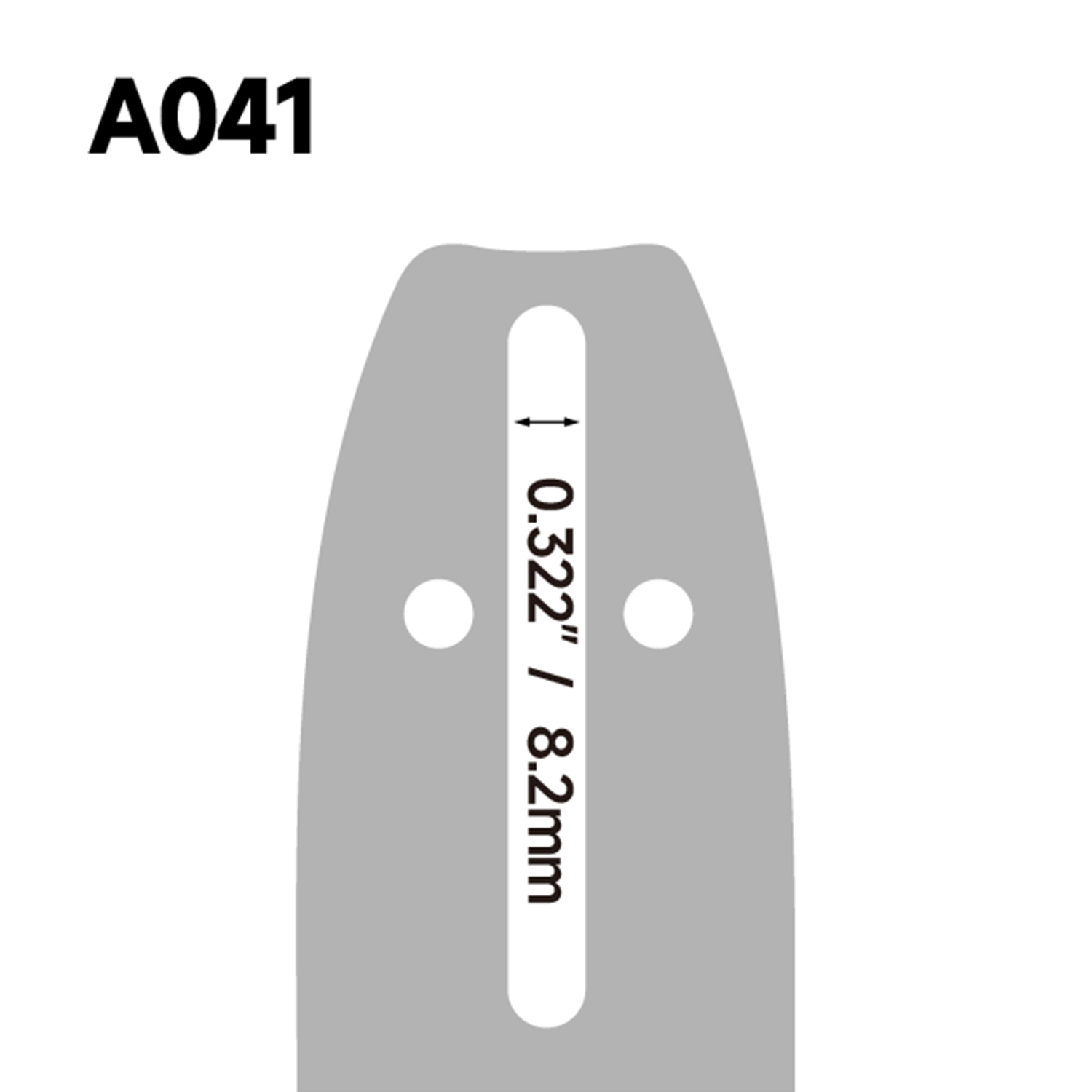 LAMINATED GUIDE BAR SupplierHangzhou Shenling Technology Co., Ltd., a LAMINATED GUIDE BAR Supplier and LAMINATED GUIDE BAR wholesaler in China, with a 24-year history, stands out in the industry ...View Product →
Laminated guide bars are built from multiple steel layers, which helps the bar maintain stiffness in demanding cuts. The laminated construction is also a factor when a bar receives repeated cooling and heating cycles under load.
Chain Tension: The Most Overlooked Part of Anatomy
Chain tension affects how the whole cutting system performs. A chain that is too loose can derail from the sprocket nose and cause kickback. A chain that is too tight puts unnecessary load on the engine, clutch, bar rails, and chain rivets. It also makes the bar heat up because the drive links press hard against the rail groove.
The correct tension is a balance. The chain should feel snug but still be able to be pulled forward along the bar by hand with moderate resistance. After the chain warms up, it must be checked again because thermal expansion increases tension.
The Sprocket Nose and Chain Drive
The sprocket nose at the front of the guide bar has a simple job: to guide the chain around the tip and reduce friction. This component is exposed to the highest speed and the most debris during a cut. When the sprocket nose becomes worn, the chain wobbles and the cut becomes uneven. A worn sprocket nose is also a common starting point for chain derailment.
The drive sprocket on the saw body works with the chain drive links. Both the sprocket nose and the drive sprocket wear in sync with the chain. In professional practice, replacing the chain and sprocket together prevents the new chain from wearing quickly against an old sprocket.
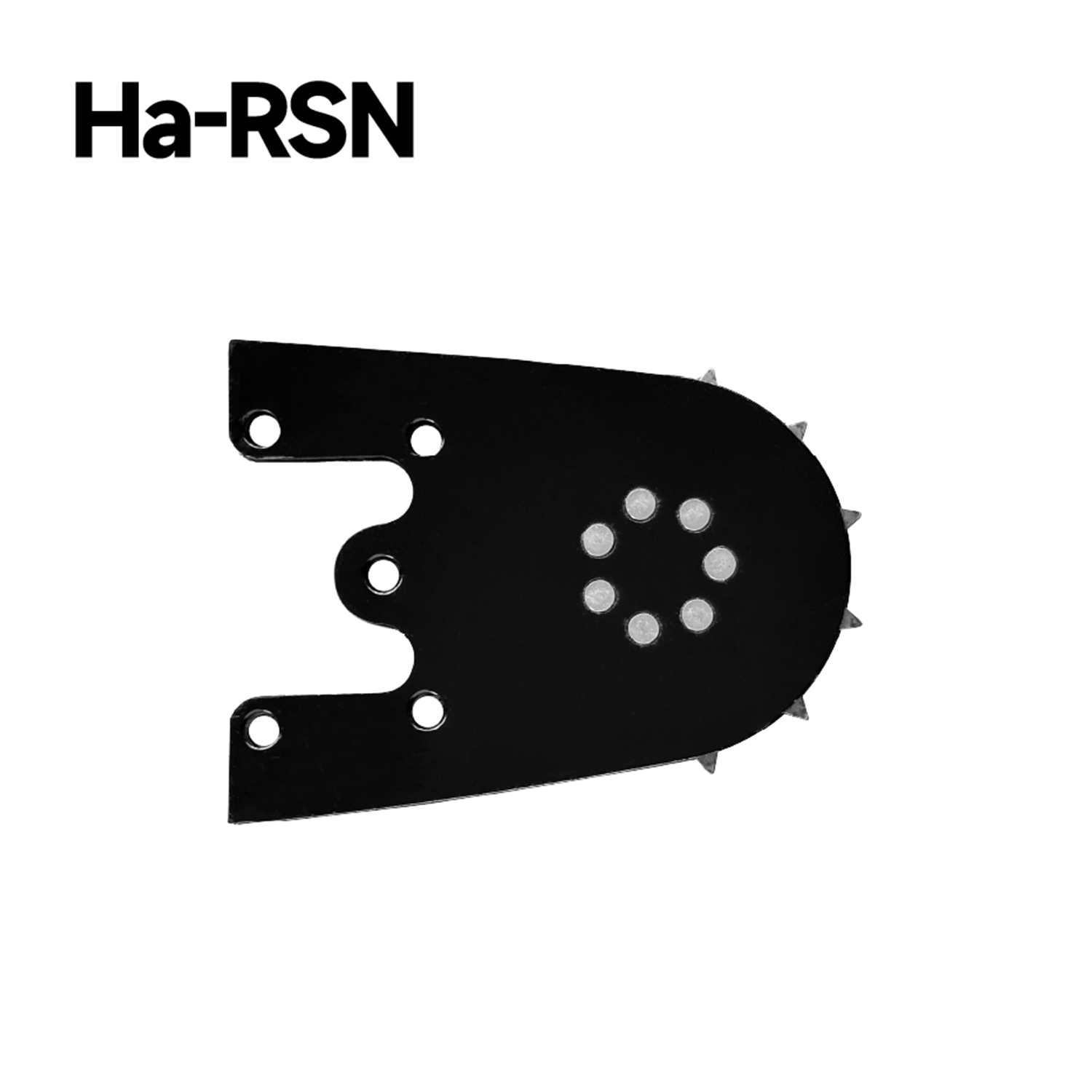 Replacement Sprocket Nose ManufacturerHangzhou Shenling Technology Co., Ltd., a Custom Replacement Sprocket Nose Manufacturer and Replacement Sprocket Nose factory in China, with a 24-year history, stands ...View Product →
Replacing a worn sprocket nose is usually more economical than replacing the full guide bar, and it is a standard maintenance item in saw shops that deal with high-volume cutting.
Safety Features: Chain Brake, Trigger Lock, and Bumpers
Chainsaw anatomy also includes features designed to protect the operator. The chain brake is an inertia brake that snaps into place when the bar moves rapidly upward in a kickback. The front hand guard triggers it, and some chainsaws also have a hand-held chain brake that can be activated by the operator. The throttle trigger lock prevents accidental throttle activation, especially important when the saw is on the ground or jerking during start-up. Bumper spikes, which are located near the base of the bar, help the operator hold the saw against the wood and reduce kickback forces.
Understanding these features helps during a routine pre-use check. A chain brake that is sticky or a trigger lock that does not fully release is a safety hazard that should be fixed before work begins.
Maintenance Checks Based on Chainsaw Anatomy
Once you can identify each component by name, you can create a more effective maintenance routine. Start with the chain: check sharpness, damaged cutters, and worn drive links. Then inspect the bar: look for rail burrs, a blocked oil hole, or a measured groove that exceeds the gauge. Next, test chain tension and confirm that the tensioner works. Finally, rotate the sprocket nose with a gloved finger and listen for roughness or binding.
- Check the chain sharpness and file the cutters at the correct angle.
- Inspect the drive links for wear; replace the chain when the drive link height is reduced.
- Clean the bar groove and oil hole with the correct tool.
- Measure the guide bar rail width to confirm it matches the chain gauge.
- Replace the sprocket nose when it shows deep notches or wobble.
- Test the chain brake before every work session.
These checks take only a few minutes and prevent the kind of failures that stop production and damage the tool.
Selecting the Right Chain, Bar, and Sprocket for Your Saw
When buying replacement parts, anatomy knowledge reduces guesswork. You need the pitch, gauge, and number of drive links to match the chain. You need a bar whose groove width matches the chain gauge and whose nose type suits your cutting style. You also need an appropriate sprocket nose that matches the pitch and stays within the bar manufacturer's specifications.
As a manufacturer of chainsaw guide bars, chains, and replacement sprocket noses, we pay close attention to the tolerances that make these parts work together. The key is not just the material of each part but the fit and consistency.
If the parts are correctly matched, you get cleaner cuts, less downtime, and a safer working environment. If they are mismatched, you may not see the problem immediately, but wear will accumulate and eventually show up in a damaged bar or a derailed chain.
Final Thought
Chainsaw anatomy is not just theory for mechanics and factory engineers. It is practical knowledge that belongs in the hands of every operator who runs a saw for a living. When you understand how the chain, bar, sprocket, and tension system relate, you can feel when something is wrong before it costs you a bar, a sprocket, or a safety incident.

