

 English
 Español

Content
- 1 The Right Bar Length Depends on What You Are Cutting — Here Is the Direct Answer
- 2 Chainsaw Bar Length by Task: A Practical Reference
- 3 What Is a Chainsaw Guide Bar and How Does It Work
- 4 Guide Bar Construction Types and When Each Makes Sense
- 5 Effective Bar Length vs. Listed Bar Length: Understanding the Difference
- 6 Key Specifications That Determine Bar Compatibility With Your Saw
- 7 Why Longer Is Not Better: The Real Costs of an Oversized Bar
- 8 Matching Bar Length to Engine Displacement
- 9 Guide Bar Maintenance: What Keeps a Bar Performing Correctly
- 10 Replacing or Upgrading a Guide Bar: What to Know Before You Buy
The Right Bar Length Depends on What You Are Cutting — Here Is the Direct Answer
The general rule for chainsaw bar length is simple: your guide bar should be at least 2 inches longer than the diameter of the wood you intend to cut. For most homeowners handling firewood, storm cleanup, and limbing, a 16-inch bar is the most practical all-around choice. For felling trees up to 24 inches in diameter, an 18- to 20-inch bar is appropriate. Bars of 24 inches and above are reserved for professional loggers and arborists dealing with large-diameter hardwoods.
Choosing a bar that is longer than necessary is a common mistake. A longer bar adds weight, increases fatigue, raises kickback risk, and requires more engine power to drive efficiently. Matching bar length to the actual work makes the saw safer, easier to control, and extends the life of both the bar and the engine. This guide covers everything you need to know about guide bar lengths, how guide bars are constructed, and how to choose the right one for your specific tasks.
Chainsaw Bar Length by Task: A Practical Reference
Bar length requirements vary significantly depending on what you are cutting. The table below maps common tasks to the appropriate bar length range, giving you a direct starting point before evaluating specific models.
| Task | Typical Wood Diameter | Recommended Bar Length | User Type |
|---|---|---|---|
| Pruning, limbing small branches | Up to 6 inches | 10–14 inches | Homeowner |
| Firewood cutting, storm cleanup | Up to 14 inches | 16 inches | Homeowner |
| Felling medium trees | Up to 18 inches | 18–20 inches | Homeowner / Semi-pro |
| Felling large hardwood trees | Up to 22 inches | 20–24 inches | Semi-pro / Professional |
| Milling lumber, old-growth timber | 24 inches and above | 24–36 inches | Professional logger |
For most people who own a chainsaw primarily for occasional yard work and firewood processing, a 16-inch bar covers roughly 80% of all residential cutting tasks and represents the best balance of control, weight, and versatility. An 18-inch bar adds meaningful reach for occasional tree felling without becoming difficult to manage for a non-professional user.
What Is a Chainsaw Guide Bar and How Does It Work
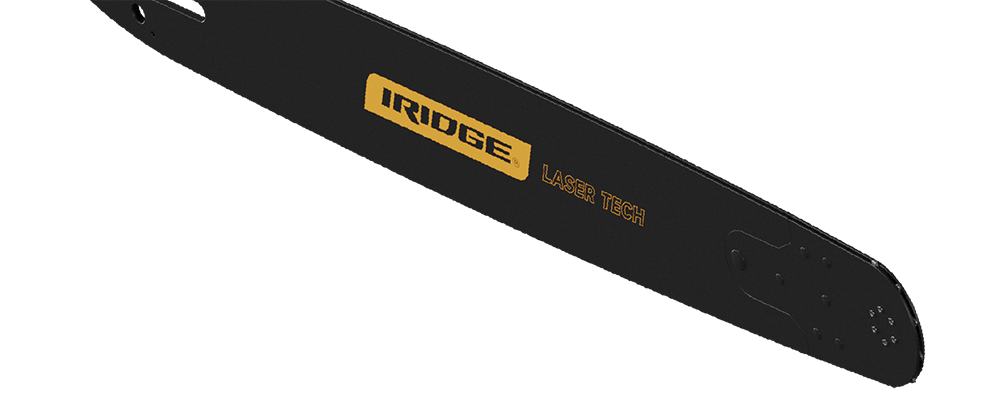
The guide bar — sometimes called the blade or sword — is the flat metal rail that extends from the chainsaw body and guides the cutting chain around its path. It is not itself a cutting tool; its job is to keep the chain moving in a controlled oval track under tension, channeling the chain into and through the wood with precision.
Understanding the physical structure of a guide bar helps you make better decisions about compatibility, replacement, and maintenance.
Anatomy of a Chainsaw Guide Bar
- Bar body (rail): The main flat steel plate. The chain rides in a groove (called the bar groove or kerf) machined along the outer edges of this rail. The groove depth and width must precisely match the chain's drive links.
- Nose (tip): The rounded or spiked end of the bar around which the chain turns. The nose is the highest-risk zone for kickback — if the upper quadrant of the nose contacts wood unexpectedly, the saw can rotate violently back toward the operator.
- Sprocket nose: Most modern bars have a small sprocket (roller) built into the nose tip rather than a solid hardened tip. The sprocket reduces friction at the nose, lowers chain wear, and improves cutting efficiency — especially in longer bars where nose friction becomes more significant.
- Heel (mount area): The end of the bar that attaches to the chainsaw body. The heel includes a slot through which the chain tension adjustment screw passes, and holes that align with the saw's mounting studs.
- Oil holes: Small holes near the heel that connect to the saw's automatic oiler. Bar oil is pumped continuously through these channels during cutting to lubricate the groove and reduce heat from chain friction.
- Bar groove: The channel that guides the chain's drive links. Groove width must match the chain's drive link gauge exactly. Common gauge sizes are 0.043 inches, 0.050 inches, 0.058 inches, and 0.063 inches.
Guide Bar Construction Types and When Each Makes Sense
Not all guide bars are built the same way. The three main construction types differ in weight, heat dissipation, durability, and appropriate application.
Solid Bar
A solid bar is machined from a single piece of steel with no internal cavity. It is the heaviest construction type and is used almost exclusively on professional-grade saws handling the most demanding work — sustained cutting in abrasive conditions, high-production logging, or anywhere bar flex or deformation under load is a concern. Solid bars are standard on saws above 70cc displacement. Their weight makes them impractical for consumer-grade saws and most residential users.
Laminated Bar
Laminated bars are made from three layers of steel bonded together — two hardened outer rails sandwiching a softer inner core. The inner core is often partially hollow or contains a series of holes to reduce weight without sacrificing rail rigidity. Laminated bars are the most common type found on consumer and prosumer chainsaws, covering the 14- to 24-inch range used by homeowners and semi-professional users. They offer a good balance of weight, stiffness, and cost.
Lightweight / Carving Bar
Lightweight bars are laminated bars with an aggressive weight-reduction design — large cutouts in the body, narrower profiles, and sometimes a replaceable hard-nose tip rather than a sprocket. They are used primarily in arborist work (where the saw is frequently carried and repositioned overhead), carving, and situations where fatigue reduction over a long work day is the priority. They are not designed for high-volume cutting or sustained heavy use.
Effective Bar Length vs. Listed Bar Length: Understanding the Difference
Chainsaws and guide bars are marketed using two different length measurements, and confusing them leads to incorrect purchasing decisions. The listed or called length is typically 1 to 2 inches longer than the effective cutting length.
- Effective cutting length (usable length): The actual distance from the front of the chainsaw body (where the bar exits the housing) to the tip of the nose. This is the length of wood the bar can cut in a single pass — what you should use when matching bar length to wood diameter.
- True bar length (physical length): The full physical length of the bar including the portion inserted into the saw's housing mount. A bar listed as 18 inches may have an effective cutting length of only 16 to 17 inches.
Always check the effective cutting length in the product specifications when sizing a bar for a specific job, not the listed or marketed length. The difference matters most when you are working close to the maximum diameter for a given bar.
Key Specifications That Determine Bar Compatibility With Your Saw
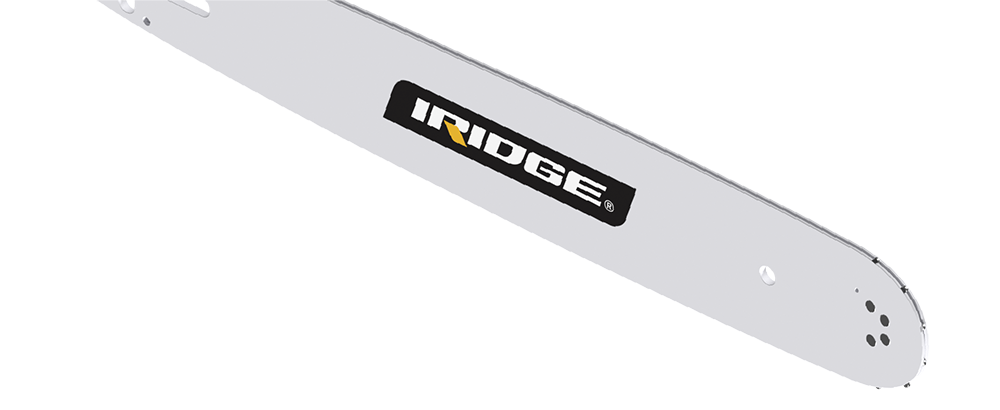
Bar length is only one of four specifications that must match when replacing or upgrading a guide bar. Installing a bar with incorrect specifications causes rapid wear, poor chain tension control, and potentially dangerous operation.
| Specification | What It Means | Common Values | Why It Matters |
|---|---|---|---|
| Bar length | Effective cutting reach | 10–36 inches | Determines maximum wood diameter |
| Chain pitch | Distance between drive links | ¼", .325", 3/8", .404" | Bar nose sprocket must match chain pitch |
| Drive link gauge | Thickness of drive link fitting the groove | 0.043", 0.050", 0.058", 0.063" | Wrong gauge causes chain slipping or binding |
| Mount slot / body fit | Heel slot dimensions for saw studs | Varies by manufacturer | Bar must physically seat on the saw's mount plate |
The easiest way to confirm all four specifications is to look up the OEM bar part number in your saw's manual or the manufacturer's website and use it as your compatibility reference when shopping for a replacement or upgrade bar.
Why Longer Is Not Better: The Real Costs of an Oversized Bar
The instinct to buy the longest bar available is understandable — more reach seems like more capability. In practice, an oversized bar creates a range of problems that make the saw harder to use and more dangerous to operate.
- Underpowered engine: Every bar length requires a minimum engine displacement to drive the chain at full speed under load. A 20-inch bar on a 35cc homeowner saw will cause the engine to lug and stall in hardwood, producing dangerous situations and excessive engine wear. As a general guideline, consumer saws under 40cc should not run bars longer than 16 inches.
- Increased kickback risk: Longer bars have larger nose zones, which increases the area where kickback-triggering contact can occur. Kickback is the leading cause of chainsaw-related injuries — the National Institute for Occupational Safety and Health (NIOSH) estimates that kickback accounts for approximately 35% of all chainsaw injuries reported in occupational settings.
- Fatigue and control loss: A longer bar shifts the saw's center of gravity forward, making it heavier to hold in position and harder to maneuver in tight spaces between branches or in multi-directional cutting situations.
- Faster bar and chain wear: An underpowered engine running a bar it cannot properly drive causes the chain to slow under load, increasing friction heat and accelerating wear on both the chain and bar groove.
Matching Bar Length to Engine Displacement
Engine displacement (measured in cc for gas saws or volts/amp-hours for battery saws) is the most reliable indicator of how long a bar a chainsaw can effectively drive. The following ranges represent industry-standard pairings used by major manufacturers including Husqvarna, Stihl, and Oregon.
| Engine Size (Gas) | Battery Equivalent | Recommended Bar Range | Typical User |
|---|---|---|---|
| 25–35cc | 36V / small battery | 10–14 inches | Light homeowner use |
| 35–45cc | 40V–56V | 14–18 inches | Homeowner, occasional felling |
| 45–60cc | 60V–80V high-capacity | 16–20 inches | Semi-pro, regular firewood |
| 60–80cc | High-voltage pro battery | 20–24 inches | Professional / arborist |
| 80cc+ | Not widely available | 24–36 inches | Logger / milling |
Guide Bar Maintenance: What Keeps a Bar Performing Correctly
A well-maintained guide bar lasts significantly longer and performs more safely than a neglected one. The two most critical maintenance practices are groove cleaning and bar flipping — both are simple and take less than five minutes.
- Clean the bar groove after every use. Sawdust, sap, and chain oil residue pack into the groove and restrict chain movement. Use a flat screwdriver or a dedicated bar groove tool to clear the groove before each use session. Blocked oil holes should also be cleared with a small pick or wire to ensure the oiler continues lubricating the rail.
- Flip the bar every 5–10 hours of use. Guide bars wear unevenly because the chain applies more pressure to the bottom rail during normal cutting. Rotating the bar 180 degrees redistributes this wear across both rails, effectively doubling the bar's service life. Most bars are symmetrical and designed to be flipped; check that the oil holes align correctly after flipping.
- Check for groove pinching and rail burring. Over time the rails can close inward (groove pinch) from side pressure during cuts that bind. A bar groove gauge or the side of a flat file can be used to check and restore the correct groove width. Burrs on the rail edges should be filed smooth before they cause chain derailment.
- Inspect the nose sprocket regularly. Spin the nose sprocket by hand and feel for roughness, binding, or lateral wobble — any of these indicate a worn sprocket bearing that needs replacement before the bar is used further. A failed nose sprocket dramatically increases friction at the tip and can cause chain derailment.
- Replace the bar when the groove depth is worn below 0.025 inches. A bar with insufficient groove depth cannot retain the chain's drive links securely, increasing the risk of chain throw — a situation where the chain leaves the bar entirely during operation.
Replacing or Upgrading a Guide Bar: What to Know Before You Buy
Replacing a guide bar is one of the most cost-effective maintenance actions you can perform on a chainsaw. A quality replacement bar costs between $20 and $80 for consumer-grade saws and $80 to $200 or more for professional saws — far less than replacing the saw itself. When buying a replacement or upgraded bar, confirm all four compatibility specifications against your saw's documentation.
- OEM vs. aftermarket bars: Original equipment manufacturer (OEM) bars from brands like Husqvarna, Stihl, and Oregon are machined to tight tolerances and carry the confidence of factory compatibility. Quality aftermarket bars from Oregon (a dominant bar manufacturer that also supplies many OEM brands) and Cannon offer comparable performance at lower cost. Avoid no-brand budget bars from unknown suppliers — dimensional tolerances are often poor, causing accelerated chain and engine wear.
- Can you upgrade to a longer bar? Many saws can accept a bar 2 inches longer than the OEM bar, provided the chain pitch and gauge match and the engine displacement supports it. Going beyond 2 inches over the OEM bar is generally not recommended without explicit manufacturer guidance, as chain tension mechanisms and oil delivery systems are calibrated for specific length ranges.
- Buy bar and chain together when replacing both. A worn chain on a new bar accelerates groove wear; a new chain on a worn bar stretches rapidly. Replacing them as a matched pair maximizes the service life of both components.

