English
 Español

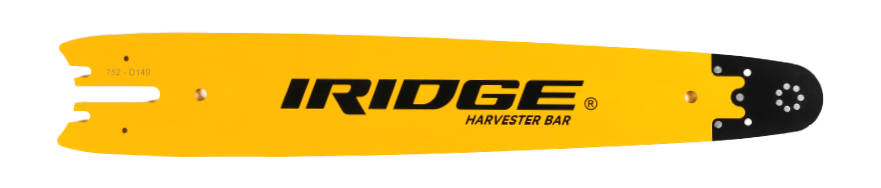
Harvester guide bars are a critical component in modern agricultural machinery, directly influencing cutting precision, efficiency, and overall machine performance. As large-scale farming operations expand, manufacturers are focusing on optimizing guide bars to handle higher workloads, reduce downtime, and improve crop yield. Innovations in materials, design, and maintenance practices are essential to meet the rigorous demands of commercial agriculture.
Content
Advanced Materials for Durability
Material selection is fundamental in optimizing harvester guide bars for large-scale use. High-strength alloy steels and advanced composites are increasingly used to improve wear resistance and longevity. These materials withstand continuous operation under heavy loads and resist deformation, ensuring consistent cutting performance over extended periods.
Manufacturers also apply specialized coatings, such as anti-friction or corrosion-resistant layers, to enhance guide bar durability. These coatings reduce the friction between the guide bar and chain, minimizing energy loss and heat generation, which can otherwise accelerate wear.
Precision Engineering and Design
Optimized guide bars are designed with precise tolerances to improve cutting accuracy and reduce crop damage. Manufacturers employ computer-aided design (CAD) and simulation technologies to model stress distribution along the bar during operation. This allows for the development of bars with reinforced points at areas prone to bending or stress concentration.
Design innovations include variations in bar length, width, and nose shape to match specific crop types and harvesting conditions. Longer bars increase harvesting efficiency for large fields, while narrower bars provide better maneuverability in tight or irregular plots.
Chain Compatibility and Reduced Friction
Guide bars work in conjunction with chains, and their optimization requires attention to compatibility. Manufacturers are developing bars with low-friction channels, lubrication grooves, and improved chain seating. These features reduce wear on both the guide bar and chain, ensuring consistent performance and reducing maintenance intervals.
Low-friction designs also improve fuel efficiency in mechanized harvesters by reducing the power needed to drive the cutting mechanism. In large-scale operations, even marginal gains in efficiency can lead to significant cost savings over time.
Lightweight and Ergonomic Features
For large-scale agriculture, weight reduction is a critical consideration. Manufacturers are developing lightweight guide bars using advanced alloys or composite materials without compromising strength. Reduced weight decreases the stress on the harvester’s drive system and enhances maneuverability during operation.
Ergonomic features, such as tapered ends or vibration-dampening designs, further improve operator comfort and control. Minimizing vibration reduces operator fatigue during long harvesting sessions and helps maintain precision cutting.
Maintenance and Service Optimization
Optimized guide bars also incorporate design features that simplify maintenance. Quick-release mechanisms, standardized mounting points, and easily replaceable wear components reduce downtime in the field. This is particularly important in large-scale operations where every hour of machine inactivity can affect overall productivity.
Manufacturers provide guidelines for lubrication, tensioning, and inspection to ensure maximum lifespan. Predictive maintenance systems, often integrated with smart harvesters, monitor bar wear and performance, alerting operators to necessary replacements before failures occur.
Comparison Table: Traditional vs Optimized Guide Bars
| Feature | Traditional Guide Bar | Optimized Guide Bar |
| Material | Standard steel | High-strength alloys, composites, coated |
| Design Precision | Basic, uniform shape | Stress-reinforced, CAD-optimized |
| Friction Management | None or minimal | Lubrication grooves, low-friction channels |
| Weight | Heavier, standard construction | Lightweight alloys/composites |
| Maintenance | Time-consuming, manual adjustments | Quick-release, predictive maintenance |
Conclusion
Manufacturers are optimizing harvester guide bars through advanced materials, precise engineering, low-friction designs, and maintenance-friendly features. These innovations ensure that large-scale agricultural operations can achieve higher efficiency, lower operational costs, and improved crop yields. By focusing on durability, ergonomics, and smart integration, modern guide bars play a pivotal role in meeting the demands of mechanized agriculture, supporting both productivity and sustainability in large-scale farming.