English
 Español

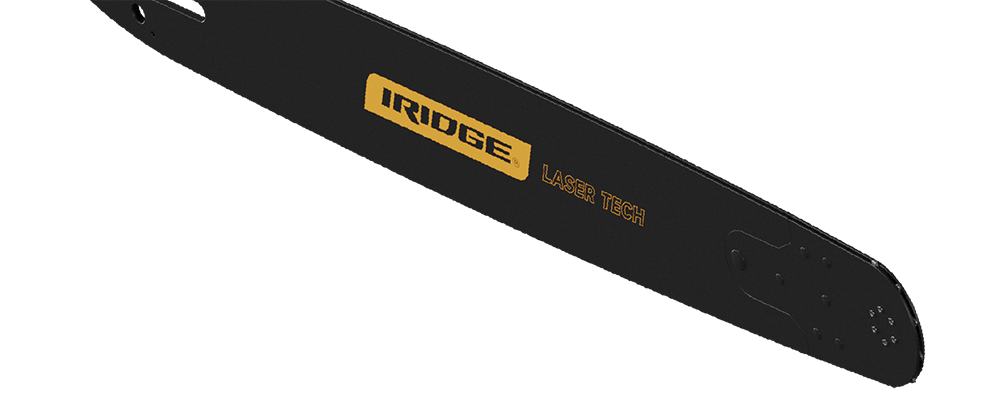
A chainsaw guide bar is the metal blade that extends from the chainsaw body and supports the cutting chain as it rotates around the bar's groove. The guide bar determines cutting capacity, precision, and overall chainsaw performance. Selecting the right guide bar length and type—whether laminated, solid, or carving—directly impacts cutting efficiency, safety, and the longevity of your equipment.
Understanding guide bar specifications, maintenance requirements, and compatibility with your chainsaw model ensures optimal cutting performance and prevents premature wear or safety hazards during operation.
Content
Guide Bar Types and Their Applications
Laminated Guide Bars
Laminated bars consist of three metal plates welded together, creating a lightweight yet durable construction suitable for most homeowner and light professional applications. These bars typically range from 12 to 20 inches in length and work well for cutting firewood, pruning trees, and general yard maintenance.
The middle plate contains the oil distribution groove, while outer plates provide structural integrity. This design reduces overall weight by approximately 30% compared to solid bars of equivalent length, making them ideal for extended use without fatigue.
Solid Guide Bars
Professional loggers and arborists prefer solid guide bars for demanding applications. Constructed from a single piece of steel, these bars withstand extreme stress and provide superior durability when cutting large diameter trees or working in commercial forestry operations.
Solid bars typically measure 20 to 36 inches or longer and feature replaceable nose sprockets that reduce friction and extend bar life by up to 50% compared to non-sprocket designs.
Carving Bars
Carving bars feature narrow tips and specialized nose designs optimized for precision work. Artists and sculptors working with chainsaws use these bars, which typically measure 10 to 16 inches in length with tip widths as narrow as 0.043 inches, enabling intricate detail work impossible with standard guide bars.
Selecting the Correct Guide Bar Length
Guide bar length directly affects cutting capacity and chainsaw maneuverability. The relationship between bar length and cutting diameter follows a simple principle: bar length should exceed the diameter of material you're cutting by at least 2 inches for single-pass cuts.
| Bar Length | Typical Applications | Maximum Cutting Diameter |
|---|---|---|
| 10-12 inches | Pruning, trimming, carving | 8-10 inches |
| 14-16 inches | Firewood cutting, light felling | 12-14 inches |
| 18-20 inches | General felling, ranch work | 16-18 inches |
| 24-28 inches | Professional logging, large trees | 22-26 inches |
| 30+ inches | Commercial forestry, old-growth timber | 28+ inches |
Longer bars require more powerful engines to maintain chain speed. A chainsaw rated for a 16-inch maximum bar will experience reduced performance and increased engine strain when equipped with a 20-inch bar, even if the bar physically fits the mounting studs.
Guide Bar Specifications and Compatibility
Pitch Measurement
Pitch refers to the distance between three consecutive rivets divided by two, measured in inches. Common pitch sizes include 1/4-inch, .325-inch, 3/8-inch, and .404-inch. The guide bar pitch must match both the chain pitch and the drive sprocket pitch exactly for proper operation.
Mismatched pitch components cause excessive wear, chain derailment, and potential safety hazards. A 3/8-inch pitch bar cannot accommodate a .325-inch pitch chain regardless of bar length or gauge compatibility.
Gauge Thickness
Gauge measures the thickness of the drive links that fit into the guide bar groove. Standard gauges include .043-inch, .050-inch, .058-inch, and .063-inch. The bar groove width must match the chain gauge within 0.002 inches for proper fit and safe operation.
A worn bar groove that measures .052 inches will cause excessive wobble with a .050-inch gauge chain, reducing cutting precision and accelerating wear on both components.
Drive Link Count
Each guide bar length requires a specific number of drive links for the chain to fit properly around the bar and sprocket. A 16-inch bar with 3/8-inch pitch and .050-inch gauge typically requires 56 drive links, while the same length bar with .325-inch pitch needs 60 drive links.
Manufacturers stamp pitch, gauge, and recommended drive link count on the bar tail for reference during chain replacement.
Essential Guide Bar Maintenance Procedures
Regular Cleaning and Inspection
Guide bar grooves accumulate sawdust, pitch, and debris that restrict oil flow to the chain. Clean the bar groove after every 5 hours of operation using a specialized groove cleaner or putty knife to remove compacted material from the oil holes and rails.
Inspect the groove for wear, cracks, or burrs that indicate replacement necessity. A properly maintained bar groove maintains consistent width throughout its length and shows no visible damage to the rail edges.
Bar Rotation and Flipping
Flip the guide bar every time you sharpen the chain or after approximately 8-10 hours of cutting. This practice equalizes wear on both bar rails and can double guide bar lifespan from an average of 150 hours to 300 hours of operation.
Uneven rail wear creates a groove that angles to one side, causing the chain to cut at an angle and produce curved cuts even with proper chain sharpening.
Lubrication System Maintenance
The guide bar features oil holes that distribute lubricant from the chainsaw's oil pump to the chain and bar rails. Verify oil delivery by holding the chainsaw near a light-colored surface and running the chain at full throttle for several seconds. Proper lubrication produces a visible oil streak on the surface.
Clogged oil holes starve the chain of lubrication, generating excessive heat that can damage both the chain and bar rails. Use a thin wire to clear blocked oil passages during routine maintenance.
Common Guide Bar Problems and Solutions
Rail Wear and Grooving
Normal operation gradually wears the bar rails, creating a groove wider than the original specification. Measure groove width using a feeler gauge or specialized bar groove gauge. Replace the bar when groove wear exceeds 0.020 inches beyond the original specification.
Excessive rail wear allows the chain to tilt sideways during cutting, reducing cutting accuracy and increasing kickback risk. A bar with .050-inch original groove width requires replacement when groove measures .070 inches or wider.
Nose Sprocket Failure
Guide bars equipped with nose sprockets experience bearing failure when lubrication becomes insufficient. A failing nose sprocket produces audible grinding noise and visible heat discoloration around the bar tip.
Grease the nose sprocket bearing every 10 hours of operation using a grease gun fitted with a needle adapter. Apply grease until fresh grease appears around the bearing housing, indicating complete filling.
Bar Bending and Warping
Impact damage or improper cutting techniques can bend the guide bar, creating visible curves when viewed along its length. A bent bar causes uneven cuts and accelerates chain wear.
Test bar straightness by removing the chain and laying the bar on a flat surface. Any gap exceeding 0.030 inches between the bar and surface indicates excessive warping requiring bar replacement.
Upgrading and Replacing Guide Bars
Chainsaw manufacturers specify compatible bar lengths and mounting patterns for each model. The mounting pattern includes stud spacing, slot dimensions, and tensioning mechanism design that must match the replacement bar exactly.
When upgrading to a different bar length, verify that your chainsaw's engine displacement supports the increased bar length. As a general rule, 1 cubic inch of engine displacement supports approximately 4-5 inches of guide bar length. A 50cc chainsaw (approximately 3 cubic inches) performs optimally with bars ranging from 12 to 18 inches.
Aftermarket vs. OEM Guide Bars
Original equipment manufacturer (OEM) bars guarantee compatibility and maintain warranty coverage. Aftermarket bars from reputable manufacturers like Oregon, Carlton, or Total offer comparable quality at 20-40% lower cost than OEM alternatives.
Premium aftermarket bars often include features absent from standard OEM bars, such as replaceable nose sprockets, hardened rails, or specialized tip designs optimized for specific cutting applications.
Safety Considerations for Guide Bar Operation
The guide bar tip presents the highest kickback danger zone. Kickback occurs when the upper quadrant of the bar tip contacts solid material, causing the saw to violently rotate upward toward the operator. Guide bars with reduced-kickback nose designs feature smaller radius tips that minimize the kickback danger zone by up to 30%.
Key safety practices include:
- Never cut with the upper quadrant of the bar tip where kickback risk is highest
- Maintain proper chain tension to prevent derailment during operation
- Replace worn guide bars showing rail damage or excessive groove wear
- Ensure adequate lubrication to prevent bar and chain overheating
- Use guide bars within the manufacturer's specified length range for your chainsaw model
A properly maintained guide bar combined with correct operating techniques significantly reduces accident risk and extends equipment service life beyond manufacturer expectations.