

 English
 Español

Content
- 1 Understanding Chainsaw Bar Sizes
- 2 Common Chainsaw Bar Sizes and Their Applications
- 3 How to Measure Your Chainsaw Bar
- 4 Matching Bar Size to Engine Power
- 5 Critical Compatibility Factors Beyond Length
- 6 Choosing the Right Bar Size for Your Specific Needs
- 7 Safety Considerations with Different Bar Sizes
- 8 Can You Change Bar Sizes on Your Chainsaw
- 9 Bar Maintenance and Lifespan
- 10 Cost Considerations Across Bar Sizes
Understanding Chainsaw Bar Sizes
Chainsaw bar sizes typically range from 10 inches to 42 inches, with most homeowners using bars between 14 and 20 inches. The correct bar size depends on the diameter of wood you're cutting, your chainsaw's engine power, and the type of work you're performing. As a general rule, your bar should be 2 inches longer than the diameter of the wood you're cutting for optimal efficiency and safety.
Selecting the wrong bar size can lead to dangerous kickback, excessive wear on your chainsaw's engine, and inefficient cutting. Professional arborists often use multiple bar lengths for different tasks, while homeowners typically need just one appropriately sized bar for their regular maintenance work.
Common Chainsaw Bar Sizes and Their Applications
Different bar lengths are designed for specific cutting tasks and user experience levels. Understanding these categories helps you match the right tool to your needs.
Small Bars (10-14 Inches)
These compact bars are ideal for light-duty tasks and are commonly found on electric and battery-powered chainsaws. They work best for:
- Pruning tree branches up to 12 inches in diameter
- Trimming shrubs and small bushes
- Cutting firewood from smaller logs
- Light yard maintenance for homeowners
Chainsaws with 10-14 inch bars typically have engine sizes between 30-40cc and are easier to maneuver, making them perfect for beginners.
Medium Bars (16-20 Inches)
This is the most popular range for homeowners and semi-professional use. A 16 to 18-inch bar provides excellent versatility for:
- Felling small to medium trees (up to 18 inches in diameter)
- General property maintenance and storm cleanup
- Cutting firewood efficiently
- Land clearing projects
These bars typically pair with 40-60cc engines, providing sufficient power without being overly heavy or difficult to control.
Large Bars (22-28 Inches)
Professional loggers and experienced users prefer these larger bars for heavy-duty applications:
- Felling large trees (20-26 inches in diameter)
- Commercial logging operations
- Milling lumber from logs
- Professional tree removal services
These require powerful engines of 60-80cc or more and demand significant user experience to operate safely.
Extra-Large Bars (30-42 Inches)
Reserved for specialized professional applications, these bars handle massive trees and require 80cc+ engines. They're primarily used in old-growth forest logging and large-scale timber operations where trees exceed 30 inches in diameter.
How to Measure Your Chainsaw Bar
Accurate measurement ensures you purchase the correct replacement bar and maintain optimal performance. There are two key measurements to understand:
Called Length (Effective Cutting Length)
This is the most commonly referenced measurement and represents the usable cutting portion of the bar. To measure:
- Measure from the front of the chainsaw (where the bar emerges from the housing) to the furthest cutting tip
- Round to the nearest even inch (bars are sold in even-inch increments)
- For example, if you measure 17.5 inches, you have an 18-inch bar
True Length (Overall Length)
This measurement includes the portion of the bar hidden inside the chainsaw housing. To measure true length:
- Remove the bar from the chainsaw
- Measure from one end to the other along the longest edge
- This measurement is crucial when ordering replacement parts
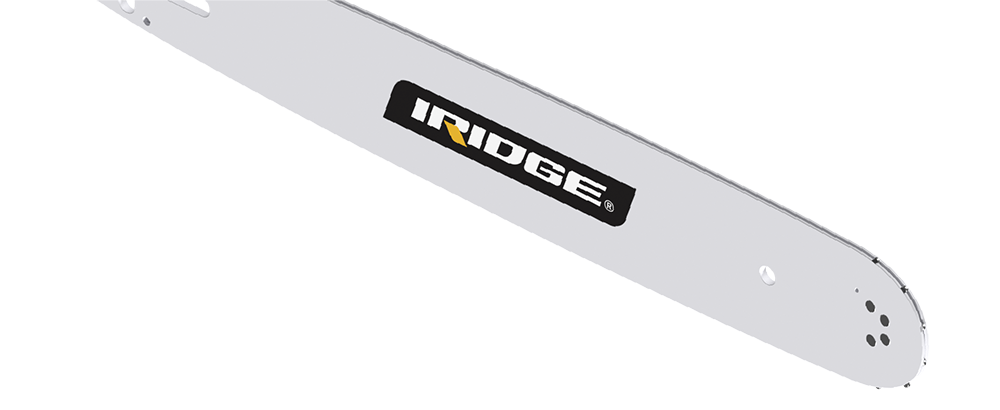
Most manufacturers stamp the called length on the bar itself, typically near the mounting end, making identification easier.
Matching Bar Size to Engine Power
Engine displacement directly determines the maximum bar length your chainsaw can safely handle. Using a bar that's too long for your engine causes excessive strain, overheating, and premature wear. Conversely, using too short a bar on a powerful engine wastes the saw's potential.
| Engine Size (cc) | Recommended Bar Length | Maximum Bar Length | Typical Use |
|---|---|---|---|
| 30-35cc | 10-12 inches | 14 inches | Light pruning |
| 35-45cc | 12-16 inches | 18 inches | Homeowner general use |
| 45-55cc | 16-20 inches | 22 inches | Farm and ranch work |
| 55-65cc | 18-24 inches | 28 inches | Semi-professional |
| 65-80cc | 24-32 inches | 36 inches | Professional logging |
| 80cc+ | 28-36 inches | 42+ inches | Heavy-duty logging |
Always consult your chainsaw's owner manual for manufacturer-specific recommendations. Some modern chainsaws have optimized power delivery that may allow for slightly longer bars than traditional models with similar displacement.
Critical Compatibility Factors Beyond Length
Bar length is just one piece of the compatibility puzzle. Several other specifications must match your chainsaw perfectly for safe operation.
Pitch
Pitch refers to the distance between three consecutive rivets divided by two, typically measured in inches. Common pitch sizes include:
- 1/4 inch (0.25"): Small, low-power saws with bars under 14 inches
- 3/8 inch Low Profile (0.325"): Most popular for homeowner saws, 14-20 inch bars
- 3/8 inch (0.375"): Professional saws, 16-28 inch bars
- 0.404 inch: Large professional saws, bars over 24 inches
Your bar, chain, and drive sprocket must all share the same pitch specification.
Gauge
Gauge measures the thickness of the drive links that fit into the bar's groove. Standard gauges are:
- 0.043 inches: Lightweight consumer saws
- 0.050 inches: Most common for homeowner and semi-professional use
- 0.058 inches: Professional-grade equipment
- 0.063 inches: Heavy-duty professional applications
Drive Link Count
This indicates how many drive links your chain needs to fit the bar properly. The same bar length can require different drive link counts depending on pitch. For example, a 16-inch bar with 3/8" pitch might need 56 drive links, while the same length bar with .325" pitch might need 60 drive links.
Mount Pattern
The mounting slots on your bar must align with your chainsaw's mounting studs. Common patterns include D009 (small mount), K095 (large mount), and various manufacturer-specific designs. Stihl, Husqvarna, and Echo each have proprietary mount patterns that require brand-matched bars or universal adapter bars.
Choosing the Right Bar Size for Your Specific Needs
The ideal bar size balances cutting capacity with maneuverability and safety. Consider these practical scenarios when making your decision.
Property Maintenance and Storm Cleanup
For homeowners maintaining up to 5 acres with occasional tree trimming and firewood cutting, a 16 or 18-inch bar provides the best versatility. This size handles most residential trees (which average 12-16 inches in diameter) while remaining light enough for extended use. If you live in an area prone to storms, an 18-inch bar gives you extra capacity for unexpected fallen trees without being cumbersome for regular maintenance.
Firewood Processing
Dedicated firewood cutters should match bar length to their typical log diameter. If you're processing logs that are 10-14 inches in diameter, a 16-inch bar is optimal. For larger logs (16-20 inches), upgrade to an 18 or 20-inch bar. The extra 2-4 inches allows you to make single cuts through most logs rather than cutting from both sides, saving considerable time. Professional firewood processors often use 20-24 inch bars on powerful saws to maximize efficiency.
Tree Felling
For felling, your bar should be at least 2 inches longer than the tree's diameter. However, experienced loggers often prefer bars that are 4-6 inches longer for better reach and cutting angles. If you're primarily felling trees in the 12-18 inch range, a 20-inch bar provides comfortable working clearance. For larger timber, professional fallers use 24-28 inch bars paired with powerful 60-70cc saws.
Pruning and Trimming
Arborists working at height prioritize lightweight equipment. Top-handle chainsaws with 12-14 inch bars dominate professional tree care because they offer excellent control while minimizing fatigue during all-day use. The reduced weight (often 3-4 pounds less than larger saws) significantly impacts comfort when working from a harness or ladder.
Safety Considerations with Different Bar Sizes
Bar length directly impacts kickback risk and user control. Understanding these safety factors helps prevent the estimated 36,000 chainsaw injuries that occur annually in the United States.
Kickback Zone
The tip of the bar creates a danger zone called the kickback zone, typically the upper quadrant of the bar's nose. Longer bars have larger kickback zones, increasing the potential for dangerous upward rotation if the tip contacts wood unexpectedly. Bars under 16 inches generally have more manageable kickback characteristics, making them safer for inexperienced users.
Weight and Control
A 20-inch bar assembly (bar plus chain) weighs approximately 1.5-2 pounds more than a 14-inch setup. This extra weight affects balance and increases user fatigue, particularly during overhead cuts or extended operation. Fatigue leads to poor judgment and reduced reaction time—primary contributors to chainsaw accidents.
Low-Kickback Chains and Reduced-Kickback Bars
Modern safety features can mitigate some size-related risks. Low-kickback chains feature guard links that reduce kickback force by up to 70% compared to standard chains. Reduced-kickback bars have smaller nose sprockets and narrow tip profiles. If you must use a longer bar (18 inches or more) for occasional large cuts, always pair it with low-kickback safety chain.
Can You Change Bar Sizes on Your Chainsaw
Most chainsaws accept multiple bar lengths within their manufacturer's specified range, offering flexibility for different tasks. This adaptability allows you to optimize your saw for specific jobs without purchasing multiple chainsaws.
Manufacturer Specifications
Check your owner's manual for the minimum and maximum recommended bar lengths. For example, a popular 50cc homeowner saw might accept bars from 16 to 20 inches. Operating outside this range voids warranties and creates safety hazards. Using a bar shorter than the minimum wastes your engine's potential, while exceeding the maximum overworks the engine and increases kickback danger.
What You Need to Change Bar Size
Switching bar lengths requires purchasing a compatible bar and appropriately sized chain. The new bar must match your saw's pitch, gauge, and mount pattern. You'll also need a chain with the correct drive link count for the new bar length. Most retailers sell bar and chain combo packages that ensure compatibility. The swap itself takes 5-10 minutes with basic tools—typically just a wrench or scrench to remove the side cover.
Practical Multi-Bar Strategy
Professional users often maintain two or three bars for a single powerhead. A logger might keep an 18-inch bar for limbing, a 24-inch for general felling, and a 28-inch for large timber. This approach costs $60-150 per additional bar and chain setup but significantly increases versatility. Homeowners doing varied work might keep a 16-inch bar for most tasks and swap to a 20-inch bar for occasional large tree work.
Bar Maintenance and Lifespan
Proper maintenance extends bar life and ensures safe, efficient cutting. A well-maintained bar can last 5-10 years for homeowner use or 1-3 years under professional conditions.
Regular Cleaning and Inspection
After each use, remove accumulated sawdust and debris from the bar groove using a specialized groove cleaner or thin wire. Inspect the groove for wear—if it's widened beyond the chain gauge specification, the bar needs replacement. Check the rails (the bar's edges) for burrs or damage that could cause the chain to bind or derail. Clean the oil holes on the bar to ensure proper lubrication flow.
Flipping the Bar
Bars wear unevenly because the underside contacts the wood during most cuts. Flip your bar every 8-10 hours of use to promote even wear on both rails. This simple practice can double your bar's lifespan. When flipping, mark one side with paint or a file mark so you can track rotation.
Bar Dressing
Professional users dress their bars with a flat file to remove burrs and maintain square rails. This process should be performed every 5-10 hours of heavy use. Home users can extend this interval but should dress bars at least once per season. Proper dressing maintains smooth chain movement and reduces friction that leads to premature wear.
Signs You Need a New Bar
Replace your bar when you notice:
- Groove wear exceeding 0.005 inches beyond original gauge specification
- Bent or warped bar that causes the chain to run off-center
- Damaged or mushroomed rails that can't be filed smooth
- Sprocket nose (if equipped) that no longer rotates freely
- Cracks or breaks in the bar body
Cost Considerations Across Bar Sizes
Bar size significantly impacts both initial purchase price and ongoing operational costs. Understanding these economics helps budget for your chainsaw investment.
Purchase Price Range
Replacement bars vary widely in price based on length and quality:
- 10-14 inch bars: $20-45 (aftermarket) to $40-70 (OEM)
- 16-18 inch bars: $30-60 (aftermarket) to $50-90 (OEM)
- 20-24 inch bars: $45-80 (aftermarket) to $70-130 (OEM)
- 28-36 inch bars: $80-150 (aftermarket) to $130-250 (OEM)
Professional-grade bars with replaceable nose sprockets cost 20-40% more than fixed-nose versions but last significantly longer under heavy use.
Chain Replacement Costs
Longer bars require longer chains, increasing replacement costs. A chain for a 16-inch bar costs approximately $15-30, while a chain for a 24-inch bar runs $25-45. Since chains need sharpening after every 2-4 hours of cutting and replacement after 3-5 sharpenings, this ongoing expense adds up. Over a season of moderate use, expect to spend $60-120 on chains for a 16-inch setup versus $100-180 for a 24-inch setup.
Operational Efficiency
Longer bars on appropriately sized engines maintain similar fuel efficiency to shorter bars. However, using an oversized bar on an underpowered saw can increase fuel consumption by 15-25% as the engine struggles to maintain cutting speed. This inefficiency also accelerates engine wear, potentially shortening the saw's overall lifespan.

