English
 Español

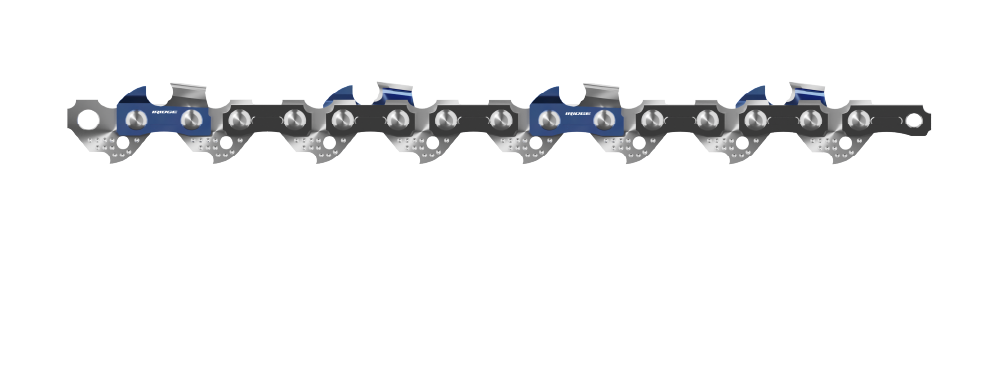
A chainsaw chain is the primary cutting component of a chainsaw, determining the efficiency, speed, and quality of every cut. Selecting the correct chain involves understanding three critical specifications: pitch, gauge, and drive link count. Using the wrong chain can lead to poor performance, excessive wear, or dangerous kickback. For most homeowners, a low-kickback semi-chisel chain offers the best balance of safety and durability, while professional loggers prefer full-chisel chains for maximum aggression in clean wood.
Proper maintenance is equally vital. A dull chain not only slows down work but also increases the risk of accidents by forcing the operator to apply excessive pressure. Regular sharpening and tension checks ensure that the chain cuts smoothly and safely. Understanding the anatomy of the chain, including cutters, tie straps, and drive links, empowers users to make informed decisions about replacement and care.
Content
Understanding Chain Specifications
Every chainsaw chain is defined by three key measurements. These must match the chainsaw’s guide bar and sprocket exactly. Mismatched components can cause the chain to derail or damage the engine.
Pitch
Pitch refers to the distance between any three consecutive rivets divided by two. It determines the size of the drive links that fit into the sprocket. Common pitches include:
- 1/4 inch: Used on small electric saws and pruning tools.
- .325 inch: Common on mid-range homeowner saws (40-60cc).
- 3/8 inch: The standard for most professional and heavy-duty saws.
- .404 inch: Found on large milling and felling saws.
Gauge
Gauge is the thickness of the drive link where it fits into the guide bar groove. Common gauges are .050 inch (1.3 mm), .058 inch (1.5 mm), and .063 inch (1.6 mm). Using a chain with a gauge that is too thin will cause it to wobble and wear out the bar rails, while a gauge that is too thick will not fit into the bar.
| Pitch | Common Gauge | Typical Use Case |
|---|---|---|
| 1/4" | .050" | Pruning, Light Duty |
| .325" | .050" / .058" | Firewood, General Homeowner |
| 3/8" | .050" / .058" / .063" | Professional Felling, Logging |
Cutter Types and Performance
The shape of the cutter tooth significantly affects how the chain performs in different wood conditions. The two main profiles are full-chisel and semi-chisel.
Full-Chisel Cutters
Full-chisel cutters have square corners. They are aggressive and cut fast in clean, softwood. However, they dull quickly when exposed to dirt, sand, or frozen wood. Professional loggers prefer full-chisel chains for their speed in ideal conditions, but they require frequent sharpening and careful handling to avoid kickback.
Semi-Chisel Cutters
Semi-chisel cutters have rounded corners. They cut slightly slower than full-chisel but stay sharp much longer, especially in dirty or hardwood conditions. For most homeowners and occasional users, a semi-chisel chain is the superior choice due to its forgiveness and lower maintenance requirements. It is less prone to kickback and handles abrasive environments better.
Maintenance and Sharpening
A well-maintained chainsaw chain cuts with minimal effort. Signs of a dull chain include producing fine dust instead of wood chips, requiring force to feed into the wood, and smoking during operation.
Sharpening Techniques
Sharpening can be done with a round file, a bench grinder, or an angle grinder with a sharpening jig. When hand-filing, maintain the correct angle (typically 30 degrees) and ensure all cutters are the same length. Uneven cutters cause the chain to pull to one side, resulting in curved cuts. Always file from the inside out and use a depth gauge tool to check the rakers (depth guides) after every few sharpenings. If the rakers are too high, the chain will not bite; if too low, it increases kickback risk.
Tension and Lubrication
Proper tension is critical. A chain should snap back against the bar when pulled away but still move freely by hand. Check tension before every use, as chains stretch when new and during operation. Additionally, ensure the oiler is working correctly. A dry chain generates excessive heat, leading to rapid wear and potential seizure. Use biodegradable bar and chain oil for environmental safety, especially in sensitive areas.
Safety Considerations and Kickback
Kickback is the sudden, upward motion of the guide bar that occurs when the nose of the bar touches an object or when the wood pinches the chain. It is the most common cause of chainsaw injuries.
- Low-Kickback Chains: Look for chains with built-in safety features like bumper ties or guard links, which reduce the severity of kickback.
- Proper Handling: Always hold the saw with both hands, thumb wrapped around the handle. Stand to the side of the cutting path.
- Avoid the Nose: Never let the upper quadrant of the bar tip touch the wood or any other object.
- Sharpness: A sharp chain is safer than a dull one because it requires less force, reducing the likelihood of binding and kickback.
By selecting the right chain, maintaining it properly, and adhering to safety protocols, users can ensure efficient and safe operation of their chainsaw.