English
 Español

Content
- 1 The Role of Harvester Guide Bars in Modern Forestry
- 2 Why Cutting Accuracy Depends on the Guide Bar
- 3 Durability Requirements in Heavy Forestry Applications
- 4 Impact on Machine Productivity and Efficiency
- 5 Material Selection and Engineering Design
- 6 Compatibility With High-Performance Forestry Machines
- 7 Comparing Standard and High-Performance Guide Bars
- 8 Maintenance, Downtime, and Cost Control
- 9 Supporting Sustainable Forestry Practices
- 10 Why Harvester Guide Bars Are Essential for High-Performance Machines
The Role of Harvester Guide Bars in Modern Forestry
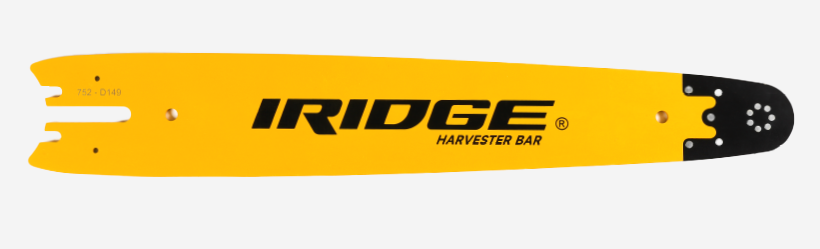
In high-performance forestry machines, every component must operate with precision, strength, and reliability under extreme conditions. Among these components, the harvester guide bar plays a central role in determining cutting accuracy, machine efficiency, and overall operational safety. Acting as the guiding structure for the saw chain, the guide bar directly influences how effectively trees are cut, delimber operations are executed, and production targets are met.
As forestry operations scale up and mechanization becomes the standard, the demands placed on harvester guide bars continue to grow. Operators require equipment that can withstand continuous use, abrasive environments, and heavy loads while maintaining consistent performance throughout long working cycles.
Why Cutting Accuracy Depends on the Guide Bar
Cutting accuracy is critical in commercial forestry, where precise log lengths and clean cuts directly affect downstream processing and material value. The harvester guide bar ensures the saw chain follows a stable and controlled path during cutting. Any deviation, vibration, or uneven wear in the guide bar can lead to inaccurate cuts, increased chain wear, and reduced operational efficiency.
A well-engineered guide bar maintains proper chain alignment even under high cutting forces. This stability allows the harvester head to operate smoothly, improving cut quality and minimizing the need for corrective adjustments by the operator.
Durability Requirements in Heavy Forestry Applications
Forestry environments are harsh, with constant exposure to dirt, debris, moisture, and temperature fluctuations. Harvester guide bars must be built to resist abrasion and deformation while supporting high chain speeds and cutting loads. Durability is not only a matter of material strength but also of structural design and surface treatment.
High-performance guide bars are often manufactured from hardened steel alloys and reinforced at stress points. These design choices help extend service life and reduce the frequency of replacements, which is critical in large-scale operations where downtime is costly.
Common Durability Challenges Addressed by Guide Bars
- Resistance to wear caused by abrasive wood fibers and contaminants
- Structural stability under continuous high-load cutting
- Protection against bending or warping during intensive operations
Impact on Machine Productivity and Efficiency
Productivity in forestry operations is measured by how efficiently machines can process trees with minimal interruptions. The harvester guide bar directly affects this efficiency by supporting smooth chain movement and consistent cutting performance. A guide bar that maintains proper lubrication and alignment reduces friction, allowing faster and more controlled cuts.
When guide bars perform reliably, operators can maintain higher working speeds without sacrificing safety or cut quality. This results in improved output per shift and better utilization of expensive forestry machinery.
Material Selection and Engineering Design
Material selection is a defining factor in the performance of harvester guide bars. High-strength steel alloys are commonly used to balance toughness and wear resistance. Precision manufacturing ensures consistent groove dimensions, which are essential for stable chain tracking and efficient lubrication.
Engineering design also focuses on weight optimization. While strength is critical, excessive weight can increase stress on the harvester head and reduce maneuverability. Advanced guide bar designs achieve an optimal balance between robustness and manageable weight.
Key Design Features of High-Performance Guide Bars
- Hardened rails for extended wear resistance
- Precision-machined grooves for chain stability
- Optimized lubrication channels to reduce friction
Compatibility With High-Performance Forestry Machines
Modern forestry machines are designed with advanced control systems and powerful cutting units. Harvester guide bars must be compatible with these systems to ensure seamless integration. Proper fit and alignment with the harvester head are essential for achieving consistent cutting performance.
Standardized mounting interfaces and precise dimensional tolerances allow guide bars to function reliably across different machine models. This compatibility simplifies maintenance and reduces the risk of improper installation.
Comparing Standard and High-Performance Guide Bars
| Feature | Standard Guide Bar | High-Performance Guide Bar |
| Wear Resistance | Moderate | Enhanced for heavy use |
| Cutting Stability | Adequate | High precision |
| Service Life | Shorter | Extended |
Maintenance, Downtime, and Cost Control
Maintenance efficiency is a major concern in forestry operations, where machine downtime directly impacts profitability. High-quality harvester guide bars require less frequent replacement and maintain consistent performance over time. This reduces maintenance intervals and helps operators plan servicing more effectively.
Although premium guide bars may have a higher upfront cost, their extended lifespan and reduced downtime often result in lower total operating costs. Investing in reliable guide bars supports predictable machine performance and long-term cost control.
Supporting Sustainable Forestry Practices
Sustainable forestry relies on efficient resource utilization and minimal waste. Harvester guide bars contribute to sustainability by enabling clean cuts that reduce wood damage and improve log recovery rates. Accurate cutting also supports better sorting and processing, maximizing the value of harvested timber.
Durable guide bars that last longer reduce material consumption and waste generation. This aligns with the growing emphasis on environmentally responsible forestry equipment and practices.
Why Harvester Guide Bars Are Essential for High-Performance Machines
Harvester guide bars are far more than simple accessories; they are foundational components that determine cutting accuracy, durability, and productivity in high-performance forestry machines. Their design, material quality, and compatibility directly influence how effectively a harvester operates in demanding environments.
As forestry operations continue to demand higher efficiency and reliability, the importance of robust and well-engineered guide bars will only increase. Choosing the right harvester guide bar is therefore a critical decision for achieving consistent performance, reduced downtime, and long-term operational success.