English
 Español

Content
- 1 Why Proper Lubrication Matters for a Chainsaw Chain
- 2 How Chainsaw Chain Lubrication Works
- 3 Step-by-Step Guide to Lubricating a Chainsaw Chain
- 4 Signs Your Chainsaw Chain Needs Better Lubrication
- 5 Best Practices to Maximize Lubrication Efficiency
- 6 Conclusion: A Well-Lubricated Chain Ensures Safe and Efficient Cutting
Why Proper Lubrication Matters for a Chainsaw Chain
Proper lubrication is essential for ensuring that a chainsaw chain runs smoothly, efficiently, and safely. A well-lubricated chain reduces friction between the chain and the guide bar, which minimizes heat buildup and prevents premature wear. Without sufficient lubrication, chains can stretch, dull more quickly, or even break under stress. Additionally, inadequate oiling increases the risk of kickback, making the chainsaw unsafe to operate. Understanding how lubrication works and how to maintain it correctly is key to extending your equipment’s lifespan and enhancing cutting performance.
How Chainsaw Chain Lubrication Works
Most chainsaws use an automatic oiling system that feeds bar and chain oil continuously during operation. As the chain moves around the guide bar, oil is distributed through small channels and carried across the chain links to create a thin protective film. This film allows metal components to move smoothly without grinding against each other. Understanding the basic mechanism helps the operator identify lubrication issues early, such as blockages or insufficient oil flow.
Key Components Involved in Lubrication
- Oil reservoir: Stores the bar and chain oil used during operation.
- Oiling pump: Regulates the flow of oil onto the guide bar.
- Guide bar channels: Transport oil along the bar to reach the chain.
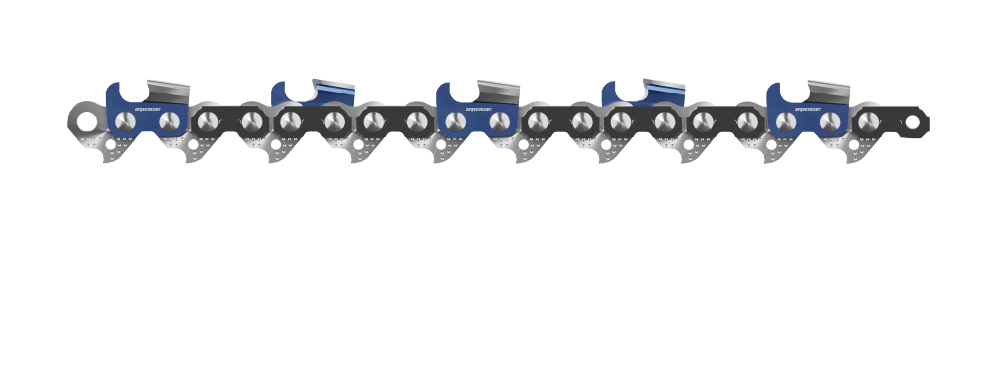
- Chain drive links: Carry the oil around the chain loop during cutting.
Step-by-Step Guide to Lubricating a Chainsaw Chain
Lubricating a chainsaw chain involves more than simply filling the oil tank. To ensure the chain is properly oiled and performing at its best, follow these essential steps. Proper lubrication before, during, and after use keeps your equipment safe and reliable even under intensive cutting conditions.
Choose the Right Bar and Chain Oil
Using the correct oil is the foundation of effective chain lubrication. Standard bar and chain oil is designed specifically for adhesion, viscosity, and temperature stability. Operators should avoid using motor oil or other substitutes, as they do not cling to the chain adequately and may damage the oiling system.
| Oil Type | Best Use |
| Standard Bar & Chain Oil | Everyday cutting and general applications |
| Winter-Grade Chain Oil | Cold climates where thick oil may clog systems |
| Bio-Based Chain Oil | Environmentally sensitive areas |
Fill the Oil Reservoir Correctly
Before using the chainsaw, always check the oil reservoir and top it off as needed. Chainsaws typically consume oil at a rate close to their fuel consumption, meaning that the reservoir should be refilled at every fuel break. Overfilling should be avoided, but the tank must always contain enough oil to maintain continuous lubrication during operation.
Check the Oil Delivery System
To ensure oil is reaching the chain, hold the saw tip a few inches from a flat surface and run the engine briefly. A fine line of oil should appear, indicating proper flow. If no oil is visible, the operator should inspect the oil pump, clean the guide bar channels, and check for blockages. Keeping the lubrication system clean ensures reliable oil distribution throughout the cutting process.
Apply Manual Lubrication Before Storage
After cleaning the chainsaw and removing sawdust buildup, a thin layer of oil applied manually to the chain and bar can help prevent corrosion during storage. This is especially important when storing the chainsaw for extended periods or in humid environments.
Signs Your Chainsaw Chain Needs Better Lubrication
A chainsaw will usually give clear indications when the chain is not properly lubricated. Recognizing these signs early helps prevent damage and ensures safe operation. Monitoring changes in sound, performance, and visual condition can alert the operator to issues with oil flow or chain condition.
- Excessive smoke coming from the guide bar.
- A chain that turns dry, shiny, or appears overheated.
- Difficulty cutting or increased vibration during operation.
- Chain stretching more quickly than usual.
Best Practices to Maximize Lubrication Efficiency
Consistent maintenance habits help ensure the lubrication system functions reliably throughout the chainsaw’s lifespan. Operators who regularly inspect and clean their equipment typically enjoy better performance and fewer mechanical problems. Following these recommended practices ensures smoother operation and reduces unnecessary wear.
Keep the Chain and Bar Clean
Dirt, sap, and debris can restrict oil flow and cause the lubrication film to break down. After each use, cleaning the guide bar groove, oil holes, and chain links ensures oil can move freely and reach all necessary surfaces.
Inspect Bar Wear and Oil Holes
The oil holes located on the guide bar must remain unobstructed for consistent oil delivery. Worn bars can develop uneven surfaces that disrupt lubrication patterns, leading to poor cutting performance. Rotating the bar periodically helps distribute wear evenly and maintain proper lubrication.
Use the Chainsaw in Proper Conditions
Extreme heat, cold, or heavy contamination from dust and sap may affect lubrication quality. In cold weather, winter-grade oil is necessary to maintain optimal viscosity. When working in resin-rich wood, more frequent cleaning may be required to prevent buildup.
Conclusion: A Well-Lubricated Chain Ensures Safe and Efficient Cutting
Proper lubrication is fundamental to extending the lifespan of a chainsaw chain and maintaining safe, efficient operation. By selecting the right oil, ensuring proper flow, and maintaining the bar and chain components, operators can significantly reduce wear, overheating, and cutting resistance. A well-lubricated chainsaw chainsaw not only delivers better performance but also enhances user safety, making lubrication one of the most important aspects of chainsaw maintenance.