

 English
 Español

If you order a 20-inch replacement bar and the tail will not slide onto your saw, the length is rarely the real problem. Chainsaw bars are measured by cutting length, not by the total piece of metal from tip to tail. That distinction matters because a bar sold as 20 inches may measure 23 or 24 inches overall once the hidden tail is included. The cutting length is what you feel in the wood; the mount pattern, chain pitch, gauge, and drive link count decide whether the bar and chain actually fit.
 Chainsaw Guide Bars: Hardnose, Replaceable Sprocket, and LaminatedGuide bars provide the chain track and come in hardnose, replaceable sprocket, and laminated series; check cutting length and fit dimensions before buying.View Product →
Content
- 1 Called Length, Cutting Length, and Overall Length
- 2 How to Measure a Chainsaw Bar in Three Steps
- 3 Bar Mount and Tail Profile: The Fit Factor Buyers Miss
- 4 Pitch, Gauge, and Drive Links: The Chain Side of the Measurement
- 5 Reading Stamped Numbers and Avoiding Buying Mistakes
- 6 When to Replace the Bar Instead of Measuring Again
- 7 The Practical Takeaway
Called Length, Cutting Length, and Overall Length
Most saw owners first meet bar size as a called length: 16 inches, 18 inches, 20 inches, or 24 inches. That number is a nominal label. It tells you the general size class of the bar, but it does not describe every dimension that affects fit. The measuring standard that matters for cutting capacity is the effective cutting length, measured from the tip of the bar to the point where the bar meets the saw body. The portion of the bar tail that sits inside the powerhead is not part of the cut.
Overall length is a different measurement. It runs from the tip of the bar to the very end of the tail. A bar called 20 inches can have an overall length several inches longer because the tail is hidden inside the saw. If you measure overall length and order a chain by that figure, you will usually end up with the wrong number of drive links. The chain must match the bar groove, the nose sprocket, and the drive sprocket, not the exposed metal alone.
| Term | How it is measured | What it controls |
|---|---|---|
| Called length | Nominal size stamped on the bar, such as 16, 18, or 20 inches. | Initial bar selection and general size class. |
| Cutting length | Tip of the bar to the point where the bar enters the saw body. | Usable cut capacity in the wood. |
| Overall length | Tip of the bar to the very end of the bar tail. | Physical size only; it does not set chain fit. |
| Mount pattern | Tail shape, slot width, oil holes, tensioner holes, and stud slots. | Whether the bar bolts to the powerhead. |
| Pitch | Distance between three consecutive rivets divided by two. | Chain-to-sprocket match. |
| Gauge | Thickness of the drive link tang that rides in the bar groove. | Chain-to-bar groove match. |
| Drive link count | Total number of drive links in the chain loop. | Chain length and tension range. |
How to Measure a Chainsaw Bar in Three Steps
You can confirm the important numbers without guessing. Work with a clean bar and a tape or caliper, and write the results down before you order parts.
- Measure cutting length with the bar mounted. Place a tape hook at the bar tip and measure back to the front edge of the saw body, where the bar enters the powerhead. This gives the effective cutting length. If the bar is off the saw, measure overall length and subtract the tail insertion depth, or compare it with the old bar.
- Read the stamped marks near the bar tail. Many bars carry the called length, pitch, gauge, drive link count, and mount code. Clean the area with a wire brush and a rag. Stamps can fade after years of oil, sawdust, and heat, so take a photo once they are readable.
- Verify the chain and sprocket. Check pitch, gauge, and drive link count against the bar and the saw. A caliper is more reliable than a worn stamp. If the chain does not sit flat in the groove or does not wrap the sprocket correctly, stop and recheck the numbers.
For example, a low-profile saw may use 3/8 low-profile pitch chain, while a larger saw may use standard 3/8 pitch. The two look similar to the eye, but they do not interchange. A chain that is close but not correct will run rough, throw, or wear the bar nose quickly.
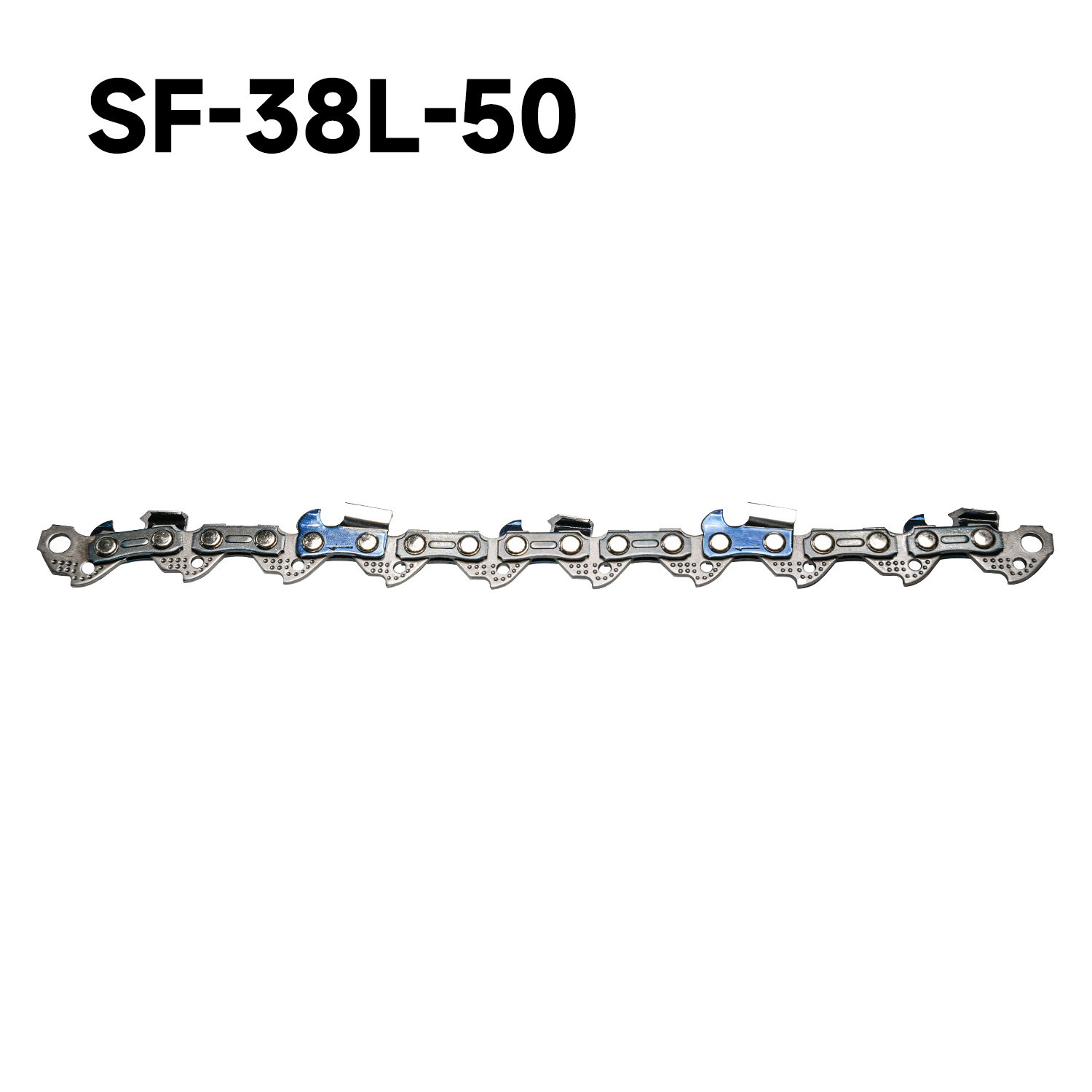 3/8-Inch Low-Profile Pitch Chainsaw ChainLow-profile 3/8-inch pitch chain is intended for small and home-use saws, pruning, trimming, and light cutting tasks.View Product →
Bar Mount and Tail Profile: The Fit Factor Buyers Miss
Two bars can both be called 20 inches and still be completely different products. The bar mount pattern is the tail profile that connects to the saw. It includes slot width, tail shape, oil hole location, tensioner hole, and stud slot spacing. If the slot is too narrow, the bar will not slide over the studs. If it is too wide, the bar can shift under load, which affects chain tension and oil delivery.
Oil holes deserve special attention. If the oil hole does not line up with the saw’s oil outlet, the bar groove can run dry. That leads to heat, rail wear, and a stretched chain. The tensioner hole must also align so the adjusting pin can move the bar. These details are why a called length alone is never enough to buy the right bar. The bar design affects safety and efficiency long before the first cut.
- Check the slot width against the saw studs.
- Confirm the oil hole lines up with the powerhead outlet.
- Match the tensioner hole and tail shape.
- Use the correct nose type and sprocket size for the chain.
- Keep the bar rails flat and free of burrs.
Pitch, Gauge, and Drive Links: The Chain Side of the Measurement
Bar measurement and chain measurement are linked, but they are not the same task. Pitch is the average distance between chain rivets. To check it, measure the distance between any three consecutive rivets and divide by two. Common pitches include 3/8 low profile, 3/8, .325, and .404. The pitch must match the drive sprocket and the bar nose sprocket.
Gauge is the thickness of the drive link tang that fits into the bar groove. Common gauges include .043, .050, .058, and .063 inches. A chain with the wrong gauge may bind in the groove or sit too loose. Both conditions cause faster wear. Drive link count is the total number of links in the loop. It is determined by the bar length, the sprocket, and the mount design. If the count is wrong, the chain will not tension correctly even if the pitch and gauge are right.
When these three numbers match, the chain sits correctly, oils properly, and cuts straight. When one is off, the saw may still start and idle, but the cut will expose the problem quickly through vibration, heat, or a thrown chain.
Reading Stamped Numbers and Avoiding Buying Mistakes
The fastest way to avoid a wrong order is to read the bar stamps and then verify them with a caliper. If the stamps are worn, measure the bar and chain yourself. Keep a note of cutting length, mount code, pitch, gauge, and drive link count in the saw case or on a phone. That record saves time when you replace a chain or bar later.
- Do not order by overall length when you need cutting length.
- Do not assume all 20-inch bars share the same mount pattern.
- Do not mix .325 pitch and 3/8 low-profile chain.
- Do not run a .050 gauge chain in a .058 groove or the reverse.
- Do not ignore drive link count because the old chain “looks close.”
- Do not fit a new chain to a worn drive sprocket or worn bar nose.
These mistakes can cause poor oiling, rapid rail wear, chain throwing, and extra kickback risk. In a forestry or landscaping setting, that downtime costs more than the few minutes needed to measure correctly.
When to Replace the Bar Instead of Measuring Again
Measurement tells you what fits, but condition tells you whether the bar should stay in service. Inspect the groove by setting the chain in the rails. If the chain tilts far to one side, the groove is worn beyond a good fit. Check the rails for burrs, flat spots, and heat discoloration. Check the nose sprocket for roughness, side play, or missing teeth. A bent or cracked bar should be replaced, not repaired.
If the bar body is still straight and the groove is within tolerance, a worn nose sprocket may be the only failed part. In that case, a replacement sprocket nose can extend the life of a good bar and restore smooth chain travel.
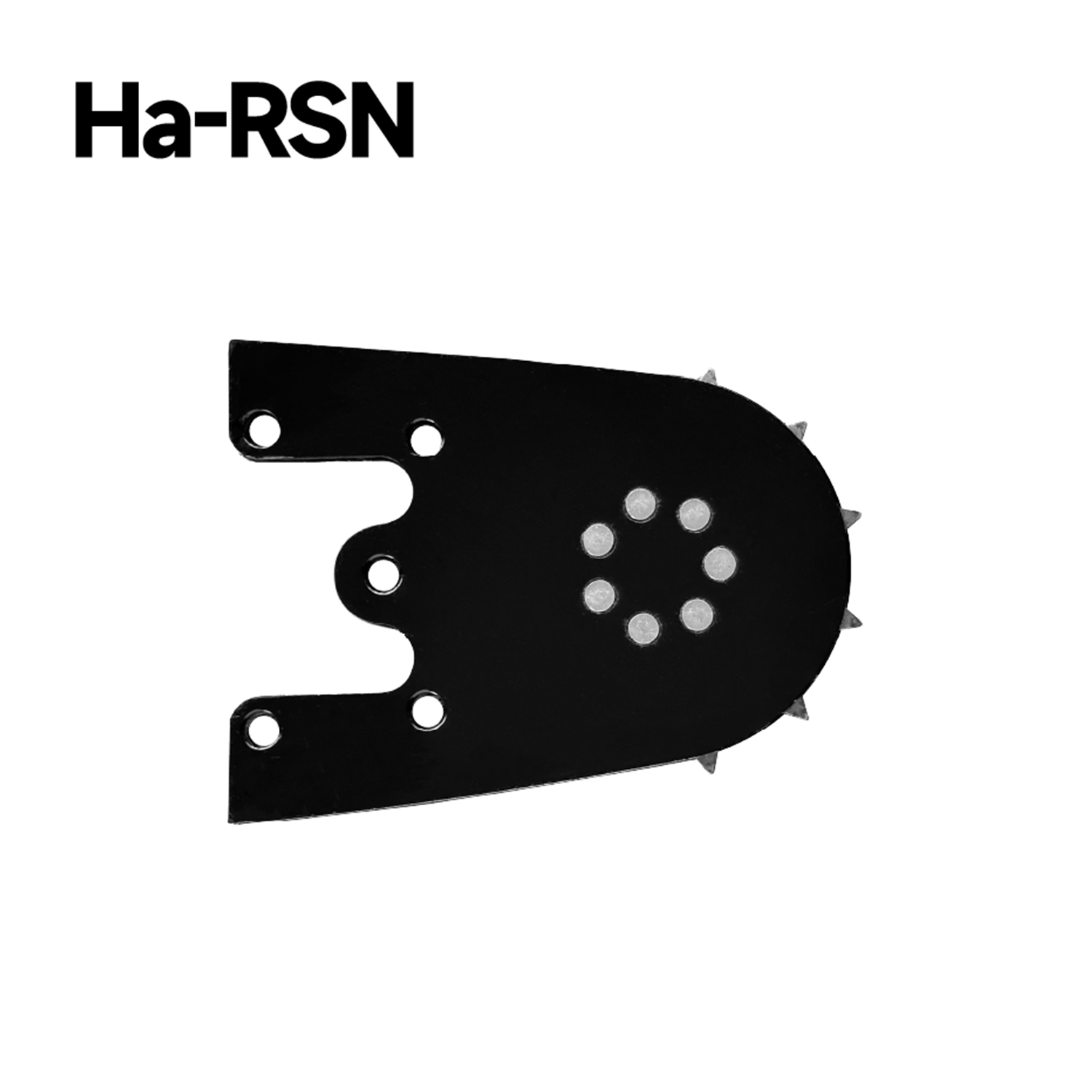 Replacement Sprocket Nose for Chainsaw and Harvester BarsA cost-effective replacement nose restores smooth chain travel and extends bar life when the body and groove remain serviceable.View Product →
The Practical Takeaway
Chainsaw bars are measured by effective cutting length, from the tip to where the bar meets the saw body. That number is not the same as overall length, and it is only the start of a correct fit. Match the bar mount, pitch, gauge, and drive link count before you buy. If you are sourcing guide bars or chains for OEM or replacement use, Iridge manufactures guide bars and chains for garden and forestry equipment, with heat-treatment and quality-control experience behind the product line.
Measure once, write the numbers down, and verify the chain against the bar and sprocket. A saw that fits correctly cuts cooler, wears slower, and stays safer for the operator.

